Walk through the paddock of any major series in 2026 and the hardware starts to look suspiciously similar. Every top-tier car has an electric motor, a battery pack, active aerodynamics and a sustainability clause in its rulebook. Formula 1 spent the off-season explaining that its new power units are roughly half electric. Formula E just pulled the covers off a car with permanent all-wheel drive. Le Mans Hypercars have been hybrid – or deliberately not hybrid – for years, depending on which concept their engineers believe wins.
That overlap has produced an easy story: everything is converging. I don’t buy it, at least not in the way it’s usually told. The three series share components the way three chefs share a knife. What they are actually trying to cook could not be more different, and the regulations force three genuinely different engineering problems.
So rather than rank them by lap time, which tells you almost nothing useful, it’s worth looking at what each series asks its engineers to optimise – and what that costs them everywhere else.
Three series, three design briefs
The table below is the fastest way to see the split. Read the “what it optimises” column first, because every other number in the row follows from it.
| Series | What it optimises | Power architecture | Minimum weight | Energy constraint | Event shape |
|---|---|---|---|---|---|
| Formula 1 (2026) | Maximum lap speed over roughly two hours, one driver | 1.6L V6 (~400kW) plus 350kW MGU-K, near 50/50 split, 100% sustainable fuel | ~770 kg | Up to 8.5 MJ harvested per lap; battery state-of-charge swing capped at 4 MJ; no refuelling | ~305 km race, no refuelling, mandatory tyre stops |
| Formula E (Gen4) | Winning inside a fixed energy budget on street circuits | 100% electric; 450kW race, 600kW ATTACK MODE, 700kW regeneration | 954 kg without driver | 55 kWh usable race energy; recovery supplies close to 50% of the energy used | ~45-minute races, ATTACK MODE, selected 600kW Pit Boost stops |
| Le Mans Hypercar | Repeatable pace and survival across up to 24 hours, multi-class | Hybrid or non-hybrid; output near 500kW and adjusted by Balance of Performance | ~1,030 kg | Maximum stint energy; refuelling is central to strategy | 6–24 hour races, three drivers, day and night, heavy traffic |
Sources: FIA 2026 Formula 1 Power Unit Technical Regulations; FIA and Formula E GEN4 specifications; FIA WEC Hypercar Balance of Performance tables. Figures current as of mid-2026, and Hypercar weight and power shift with BoP at every event.
Formula 1 got the constraint without the toolkit
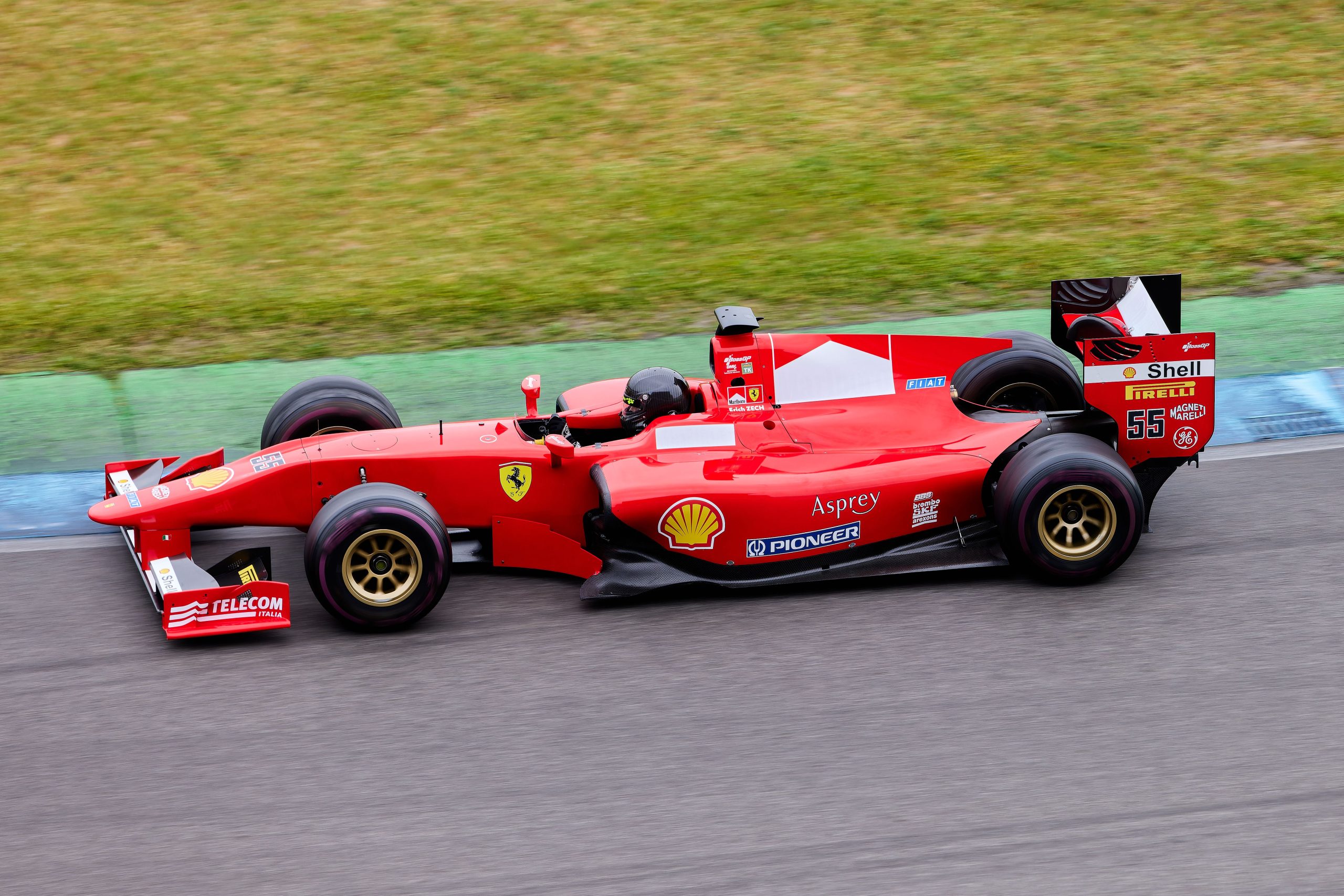
The 2026 power unit is the biggest regulation change in the sport’s history. The internal combustion side produces roughly 400kW, the MGU-K now delivers up to 350kW – almost triple its previous output – and the MGU-H has been deleted entirely. Combustion and electricity now split the output close to 50/50, and the fuel is 100% sustainable, derived from non-food biomass, municipal waste or carbon capture.
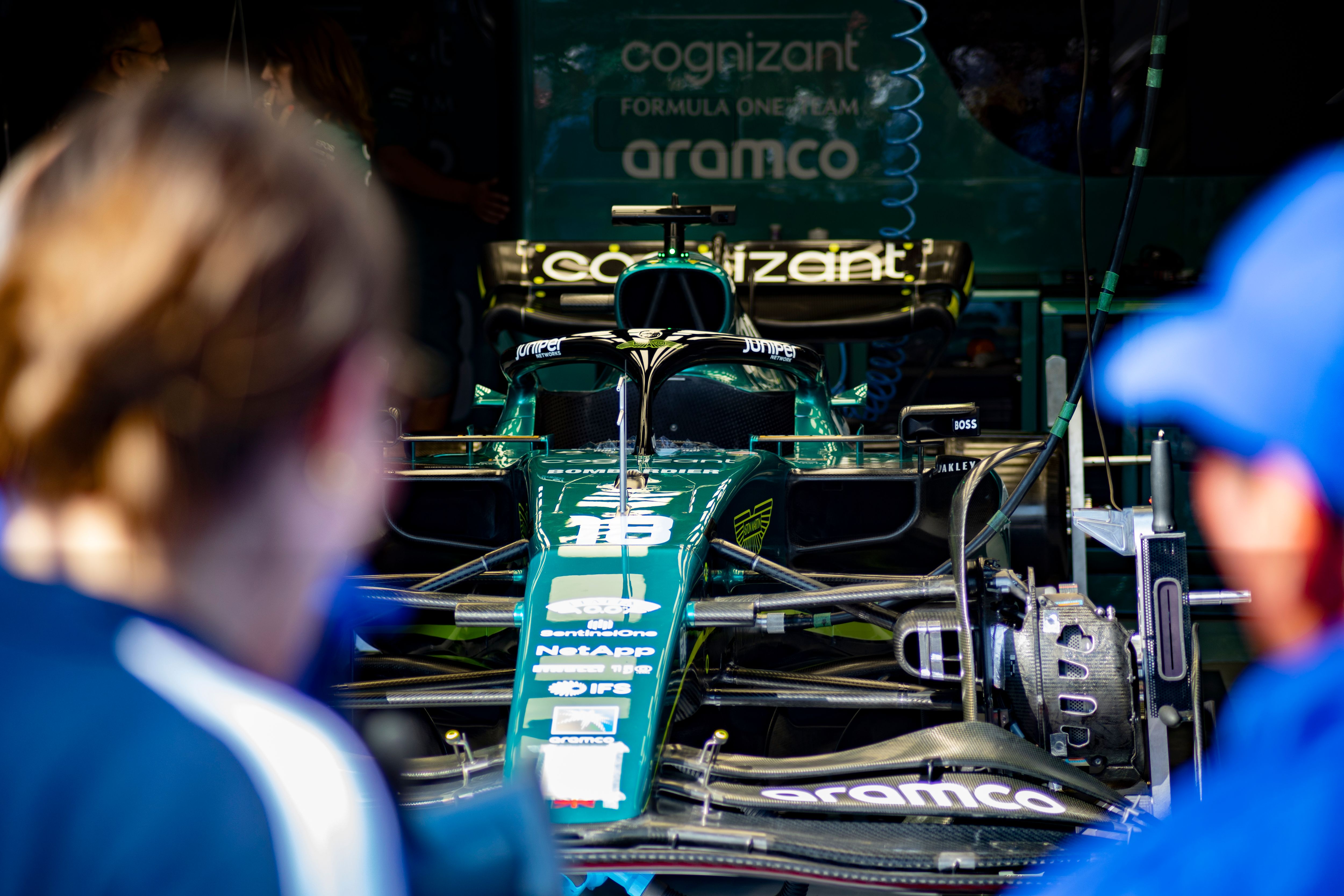
The catch is how the rules let teams use that electricity. F1 harvests only at the rear axle and caps recovery at 8.5 megajoules a lap, with the battery allowed to swing just 4 MJ between its high and low state of charge. The result is an energy-starved car. Drivers lift and coast at the end of straights, run the engine at high revs through corners and drop to lower gears to harvest, all in a bid to have enough deployment for the next straight.
Max Verstappen was blunt about it in February: the new cars feel “a bit more like Formula E on steroids”. He told BBC Sport the energy management is “just not Formula 1”.
He is not speaking for the whole grid. The same BBC piece records Lando Norris calling the cars “a lot of fun”, which is the honest state of it: the 2026 rules have split the drivers as much as they have split the field. My read is that the complaint is not really about electrification at all. It is about a rules package that demands constant energy management while denying the drivers the hardware Formula E uses to manage it – and that asymmetry is the part most comparison articles skip.
Formula E’s real sport is arithmetic
The current Gen3 Evo runs at 300kW in normal racing, 350kW in qualifying and ATTACK MODE, and recovers up to 600kW under braking. Formula E says more than 40% of the energy it expends over a race is recaptured, and the car can hit 100km/h in 1.86 seconds – quicker off the line than an F1 car.
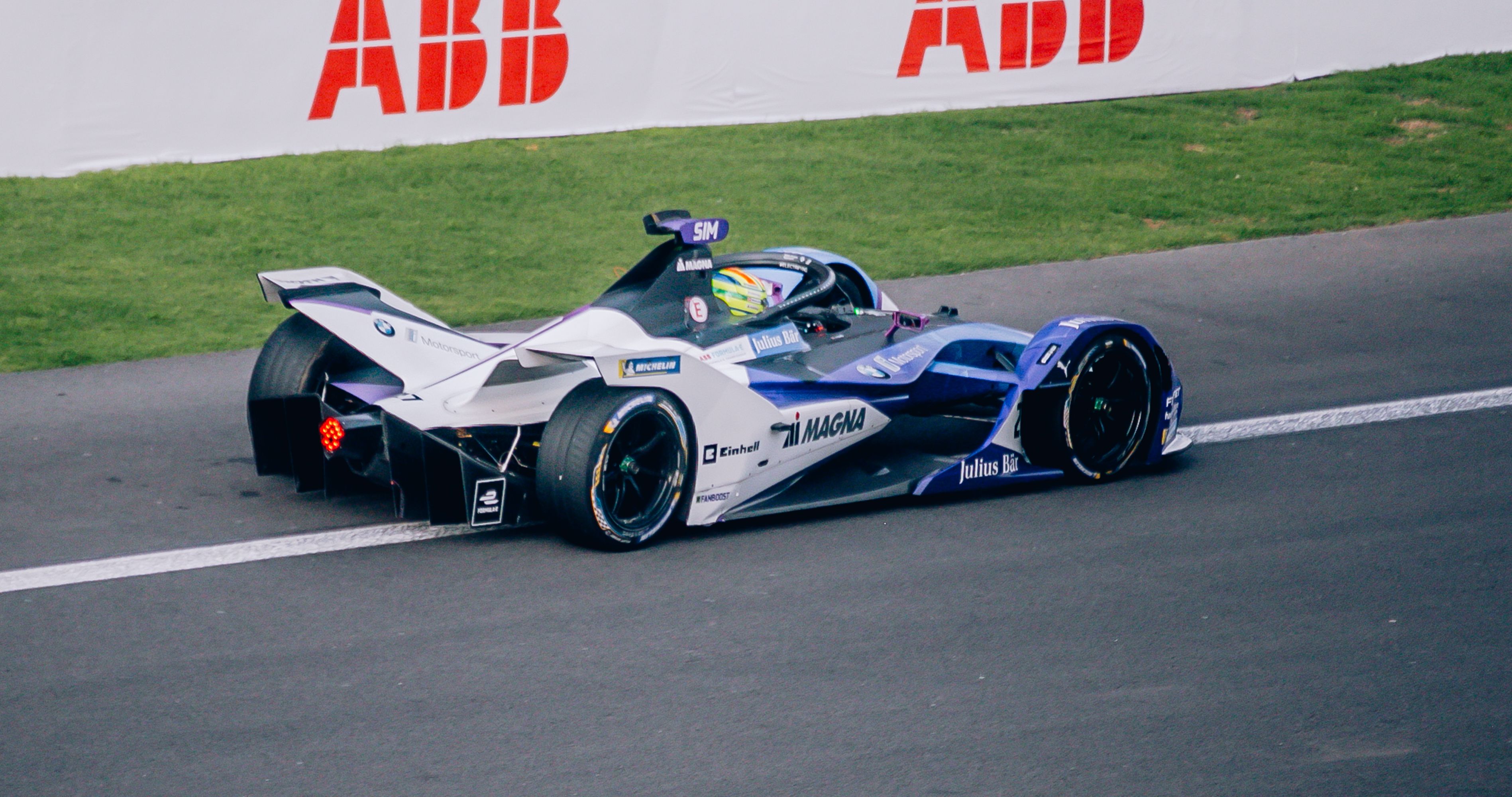
Then there is Gen4, which debuts in the 2026/27 season. The FIA and Formula E’s GEN4 announcement lists 450kW in race mode, 600kW in ATTACK MODE, 700kW of regenerative braking, a 55kWh battery, permanent active all-wheel drive and a top speed above 335km/h. It is the first single-seater with permanent AWD.
Here is the counterintuitive bit. Gen4 is expected to weigh 954kg without a driver. An F1 car, with its engine, gearbox and fuel, has to clear roughly 770kg with the driver aboard. The electric car is heavier – because a 55kWh battery that can survive racing-level thermal and current loads is a genuinely heavy object, and unlike fuel, its mass never burns off.
In Formula E, the battery is the fuel tank, and you cannot refuel. Pit Boost exists – a 600kW, 30-second stop that adds about 10% charge – but only at selected double-header events. So the entire discipline becomes efficiency: every kilowatt spent fighting drag is a kilowatt unavailable three laps later. That is why Formula E bodywork is built for low drag and close racing rather than peak downforce.
Endurance racing: the fastest car rarely wins
Le Mans answers a completely different question. Hypercars start from a minimum weight of about 1,030kg and around 500kW, and the FIA and ACO then adjust both with Balance of Performance so that wildly different concepts – turbo V6s, V8s, naturally aspirated V12s, hybrid and non-hybrid – arrive with similar theoretical potential.
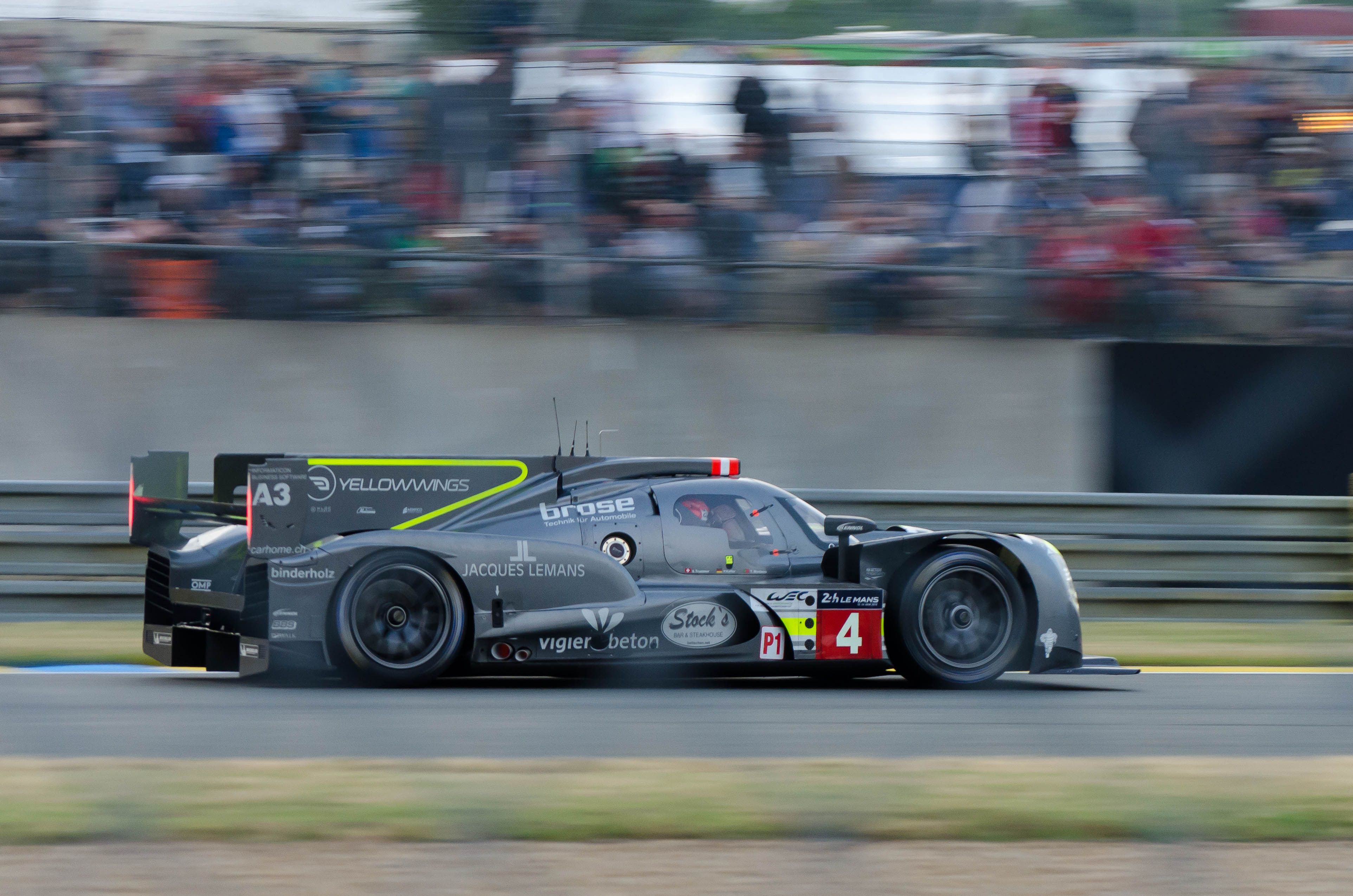
The 2026 24 Hours of Le Mans showed what that produces. Toyota’s #7 TR010 Hybrid completed 381 laps and 5,190.33 km at an average of 215.8 km/h, beating the #20 BMW by 10.913 seconds after a full day of racing, in front of a record crowd of 350,105. The official race figures make the point better than any argument: after 24 hours, the gap at the front was about the length of a pit stop.
Enforcement is where the engineering gets interesting. The FIA WEC fits torque meters to the driveshafts to measure and limit the power each car is actually allowed to deploy. In 2026 the championship also stopped publishing its BoP tables publicly, largely to stop teams sandbagging before the big races. The regulator’s position, relayed by FIA senior circuit sport director Marek Nawarecki, is that BoP controls the cars’ potential while strategy, reliability and execution decide the rest.
I would add one thing to that. Endurance is the only one of these three disciplines where reliability is a competitive skill rather than a baseline expectation. In F1 a mechanical failure is a disaster; at Le Mans, finishing at all is a result, and every component – alternator, gearbox, brakes, driver change drill – is designed around serviceability and a 24-hour duty cycle.
Tires expose a series’ philosophy faster than lap times
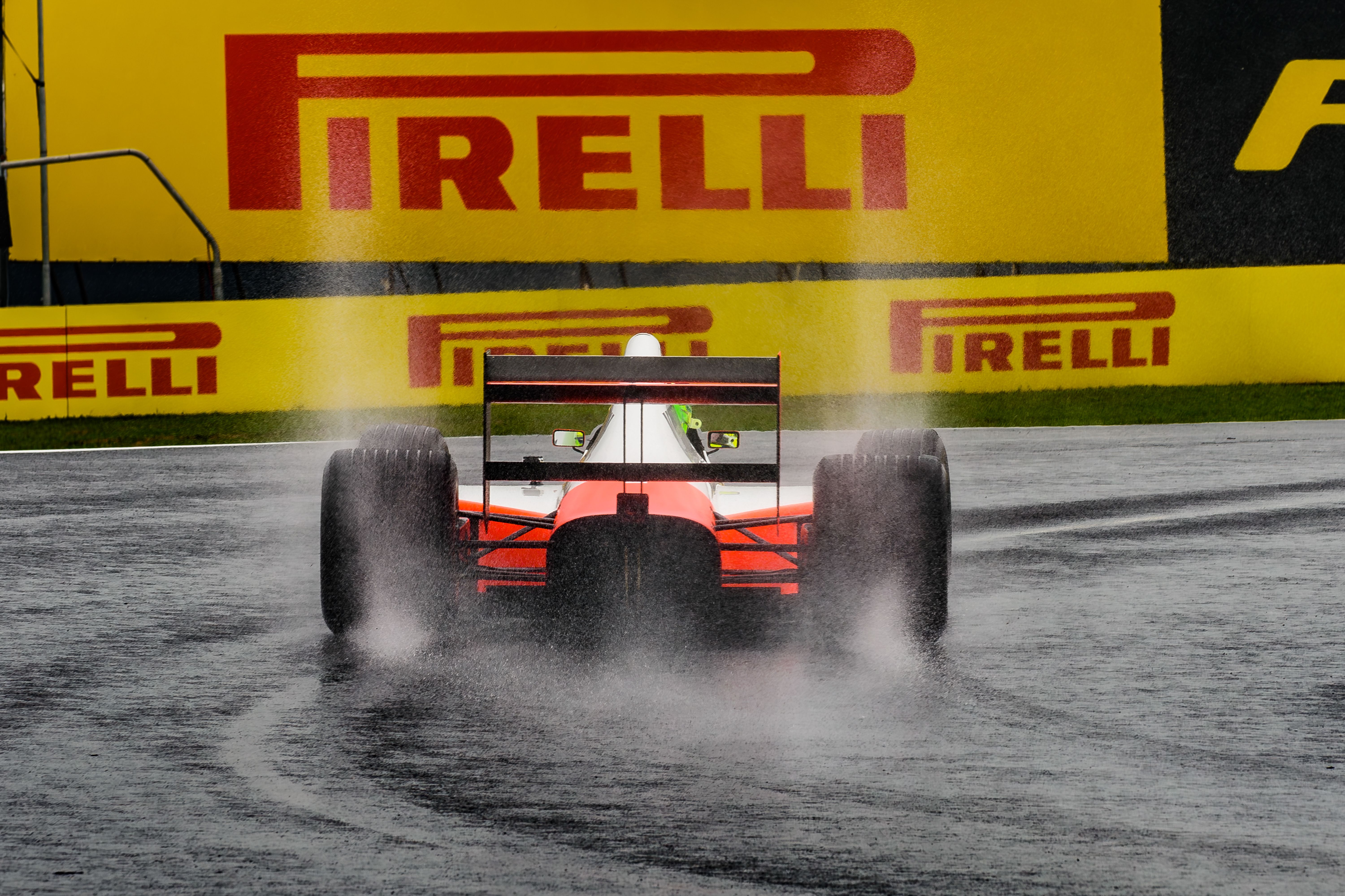
If you want to know what a championship values, look at what it puts on the wheels. Formula 1 runs Pirelli slicks in multiple compounds plus intermediate and full-wet rubber, and builds strategy around sub-two-second stops. Formula E runs a single grooved Hankook all-weather compound for the whole field, chosen for durability and low rolling resistance, with no routine tire stops at all.
Endurance sits somewhere else again. There, a Michelin set is expected to survive double or even triple stints, and the operating window is brutally narrow. As Autosport’s analysis of the 2026 race noted, a car dialled in on a cool Wednesday night can shred its rear tires on a hot Sunday afternoon. Tire life is treated as a resource to be spent as carefully as fuel.
Same steering wheel, completely different job
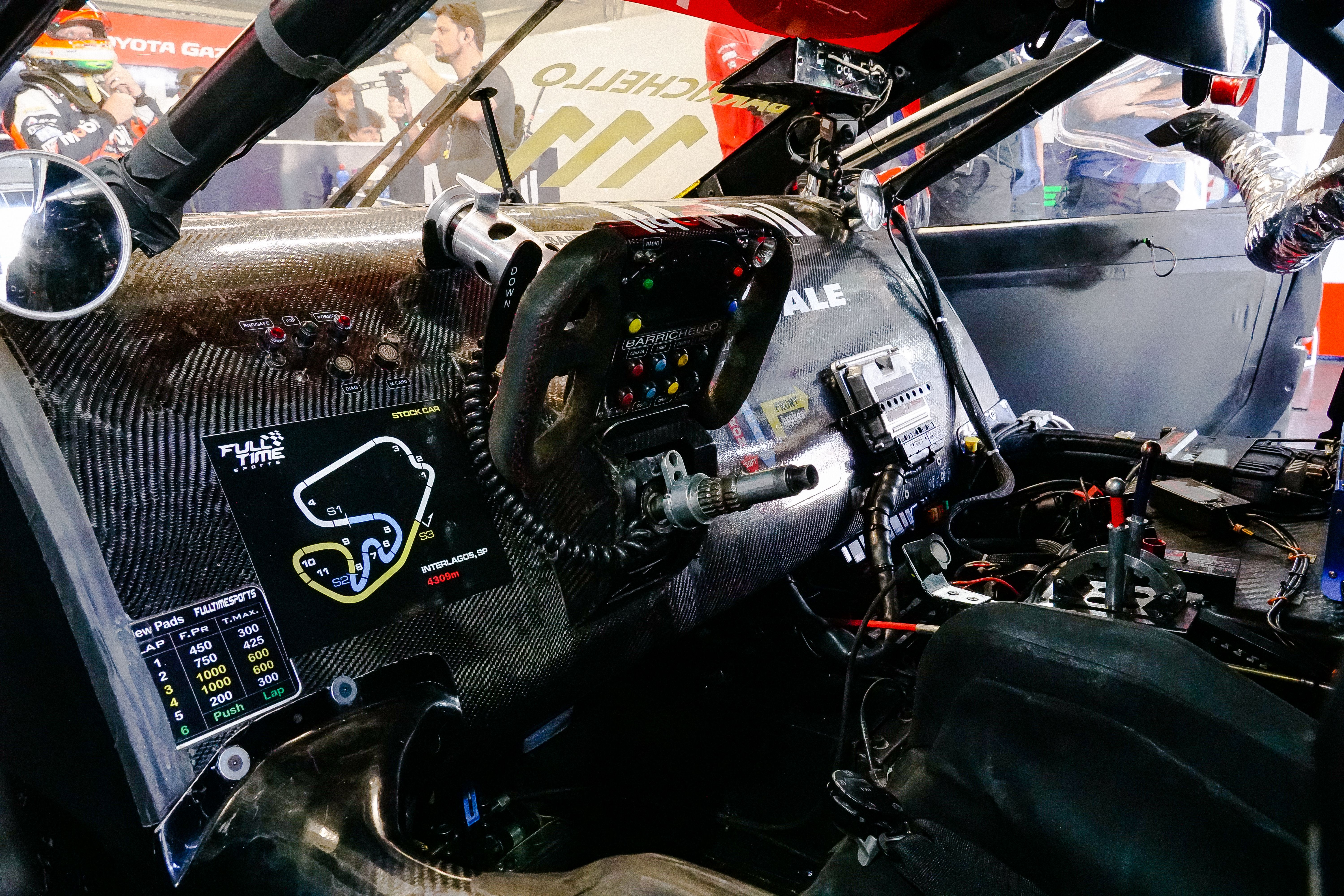
The carbon-fibre cockpit looks similar in all three. The mental workload does not. An F1 driver in 2026 is running a live state-of-charge calculation while racing wheel-to-wheel, deciding when to harvest and when to spend. A Formula E driver is doing similar arithmetic, but against a fixed budget for the entire race, plus the tactical detour required to activate ATTACK MODE off the racing line. An endurance driver is managing traffic from slower classes, driving through the night, and pacing a stint so the car is handed over intact.
None of those is a harder job in the abstract. They are simply not the same job, and the cars are built to reward whichever one the series has chosen.
Where the “F1 is becoming Formula E” argument breaks down
The strongest version of the convergence argument points at F1’s 50/50 power split and says it is turning into an electric series. The technical reality is the opposite of convergence. Formula E cars recover energy at both axles – 250kW at the front and 350kW at the rear on Gen3, twin motors and 700kW of regeneration on Gen4. Formula 1’s rules permit recovery only at the rear, through a single MGU-K.
That single asymmetry explains most of what drivers are complaining about. F1 adopted Formula E’s defining constraint – you must manage energy – while declining the tool that makes the constraint manageable. The two series are not converging; they are being pulled in opposite directions by different rulebooks, and the 2026 F1 car is what happens when you bolt an electric discipline’s tactics onto a rear-only hybrid.
Money reinforces the split. Formula 1 teams now work to a cost cap of $215 million for a full season, with previously exempt items such as depreciation folded in. Formula E holds costs down with a common Spark chassis and homologated powertrains, letting manufacturers compete through motors, inverters and software. Endurance uses Balance of Performance and, in LMDh, a spec hybrid system. Three series, three different answers to the same question: how do you keep this sustainable enough to survive?
If you are watching, watch the right thing
Comparing top speeds is a waste of time – F1 wins, and it always will, because it is built to. A better habit is to watch what the rules force the driver to do. In F1, follow the energy deployment: who is lifting early, who is sacrificing a corner for a straight. For that, Formula 1 live results give you the order as it changes without the noise. In Formula E, watch the energy saving in the pack before ATTACK MODE triggers. At Le Mans, watch pit lane – the race is usually decided there, not on the track.
Frequently asked questions
Is Formula E faster than Formula 1?
No. F1 produces roughly 1,000hp combined, weighs far less and generates much more downforce, so it is clearly quicker over a lap and over a race distance. Formula E can beat F1 to 100km/h – 1.86 seconds on Gen3 Evo versus roughly 2.6 seconds – thanks to instant torque and, in some modes, all-wheel drive. The advantage lives only in the first moments of acceleration.
Why do 2026 F1 cars feel so focused on saving energy?
Because the rules restored a huge electrical component – a 350kW MGU-K, up from 120kW – while limiting recovery to 8.5MJ per lap and capping the battery’s usable state-of-charge swing at 4MJ. With so much power available and so little coming back, drivers must treat electricity as a scarce resource across an entire lap.
What is Balance of Performance and why do teams complain about it?
BoP adjusts minimum weight and power to bring different car designs – hybrid, non-hybrid, turbo V6, V8, V12 – to similar theoretical potential. Teams dislike it because it is invisible and it caps the reward for engineering a better car. In 2026 the FIA and ACO stopped publishing the BoP tables, partly to limit sandbagging before Le Mans.
Do Le Mans Hypercars have to be hybrid?
No. Both LMH and LMDh allow hybrid and non-hybrid powertrains. Output is capped near 500kW and balanced through BoP, which is why a naturally aspirated V12 and an LMDh hybrid can compete in the same class.
How can a Formula E car reach the finish without running out of charge?
Because the race is run to a fixed energy budget rather than a full-to-empty battery. Drivers spend that budget strategically, and regeneration puts a large share of it back – more than 40% on Gen3 Evo, with up to 700kW of recovery on Gen4 supplying close to half the energy used in a race.
What is the single biggest engineering difference between the three series?
F1 optimises peak lap speed over about two hours with one driver. Formula E optimises efficiency inside a fixed energy budget on street circuits. Endurance optimises reliability and repeatable pace across up to 24 hours with multiple drivers and multiple classes. Every design decision follows from those three sentences.
How this article was put together
I based the F1 figures on the FIA’s 2026 power unit technical regulations and the FIA’s published financial regulations, and the Formula E numbers on the FIA and Formula E GEN4 specifications and the current Gen3 Evo breakdown. Endurance figures come from the FIA WEC Hypercar Balance of Performance tables and the official 2026 Le Mans race stats. All were checked in September 2026. Where sources disagreed – the 2026 F1 minimum weight is quoted as 768kg in some places and 770kg in others – I have rounded. Hypercar weight and power are revised at each event, so recheck them after any race weekend.